Companion guide · August 11, 2026 · RT ~4 min
Breakout 13: A Cultural Companion for Western Players
The context that makes the Cannes-selected interactive film hit twice as hard, the real institutions behind the story, the family pressures around it, and what Western players usually miss.
Updated — August 17, 2026
Breakout 13 landed on Steam with a “Very Positive” rating, but fewer than 3% of its reviews are in English, and even the Western critics who loved it admitted that parts of the story assume context a non-Chinese audience doesn’t have. SUPERJUMP’s landmark piece on the game called this out directly: the film works without the context, but it devastates with it.
This companion fills the gap. No major spoilers, read it before playing, or alongside chapter one.
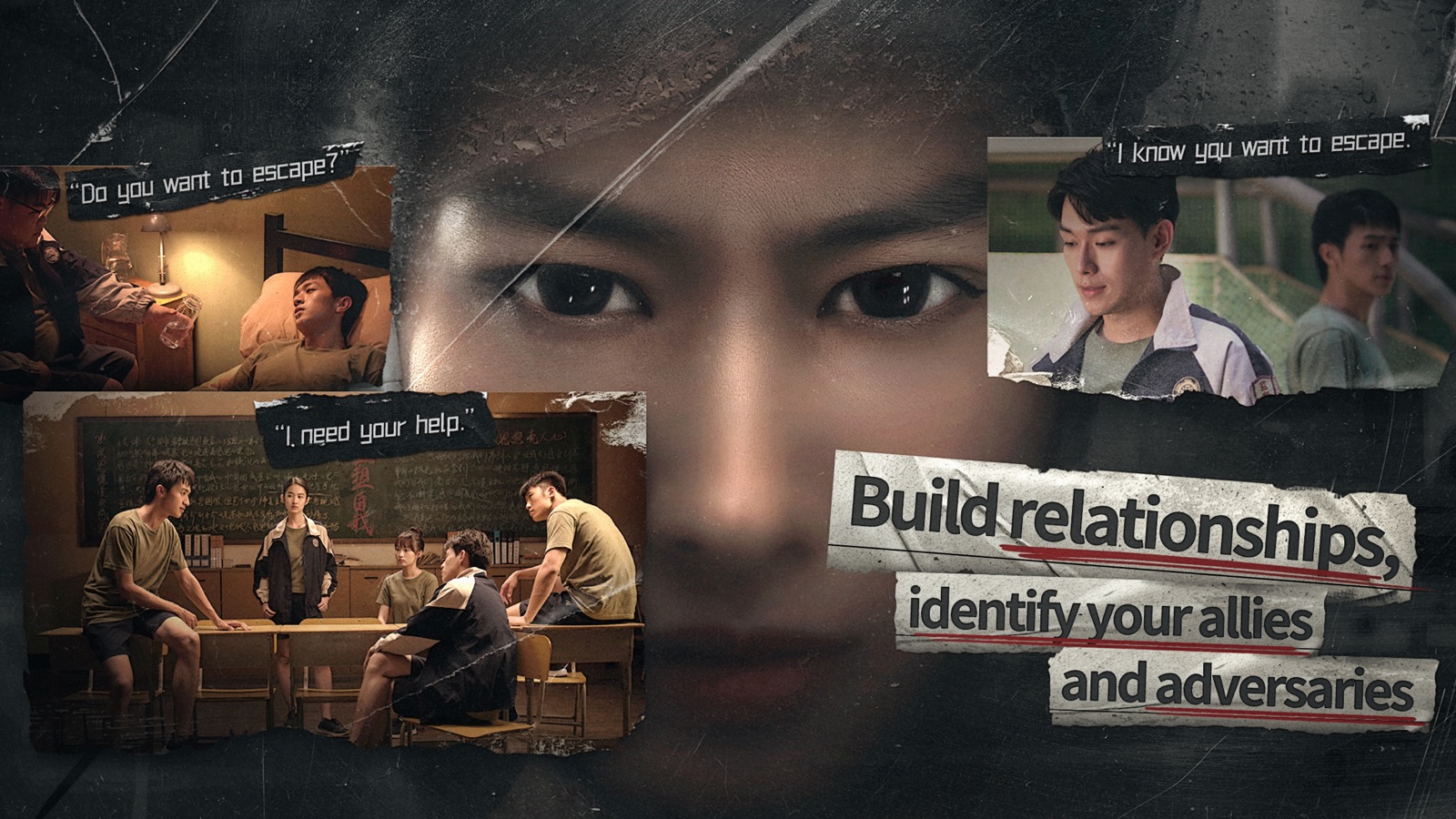 The institute’s world: order, gratitude, surveillance.
The real institutions behind the story
Through the 2000s and 2010s, a for-profit industry of “internet addiction treatment” centers grew up in China, promising anxious parents they could cure teenagers of gaming and internet dependency through boot-camp discipline. At its peak the industry counted hundreds of facilities. Inside some of them, “treatment” meant militarized routines, physical punishment, isolation, and in the most notorious cases so-called corrective “therapy” that amounted to abuse.
What matters for understanding the game: these abuses were exposed from within China. Chinese investigative journalists and state media pulled the industry into the light; the most infamous clinics became national scandals; public outrage led to condemnations and shutdowns. When the game’s marketing says based on true stories, it means survivor accounts and reporting that China’s own press brought to light, run through a dramatist’s hand.
That’s the ground Breakout 13 stands on. When the game feels almost too harsh to be fiction, it’s because much of it isn’t.
Why the parents aren’t villains
The most common Western misreading is to treat the parents as monsters. The game is more precise, and more devastating, than that. It’s about how love, panic and deference to institutional authority can be weaponized by people selling a cure. Three pressures Western players tend to underestimate:
- The gaokao shadow. China’s university entrance exam concentrates a family’s entire hopes onto a single academic outcome. “He plays games instead of studying” can escalate to full family crisis in a way most Western parents never experience, the stakes, as the family perceives them, are the child’s whole future.
- Face and discretion. Sending a child away quietly is also about managing shame: a family problem handled privately rather than admitted publicly. The institute sells discretion as part of the product.
- Trust in institutions. The camp presents itself with the vocabulary of medicine, education and patriotism. For a desperate parent, its certificates and uniforms read as legitimacy, not warning signs.
The tragedy of the parents is that they believe they’re saving their son. Hold that frame and the later chapters land very differently, the game’s real target is never the family, it’s the machine that fed on the family’s fear.
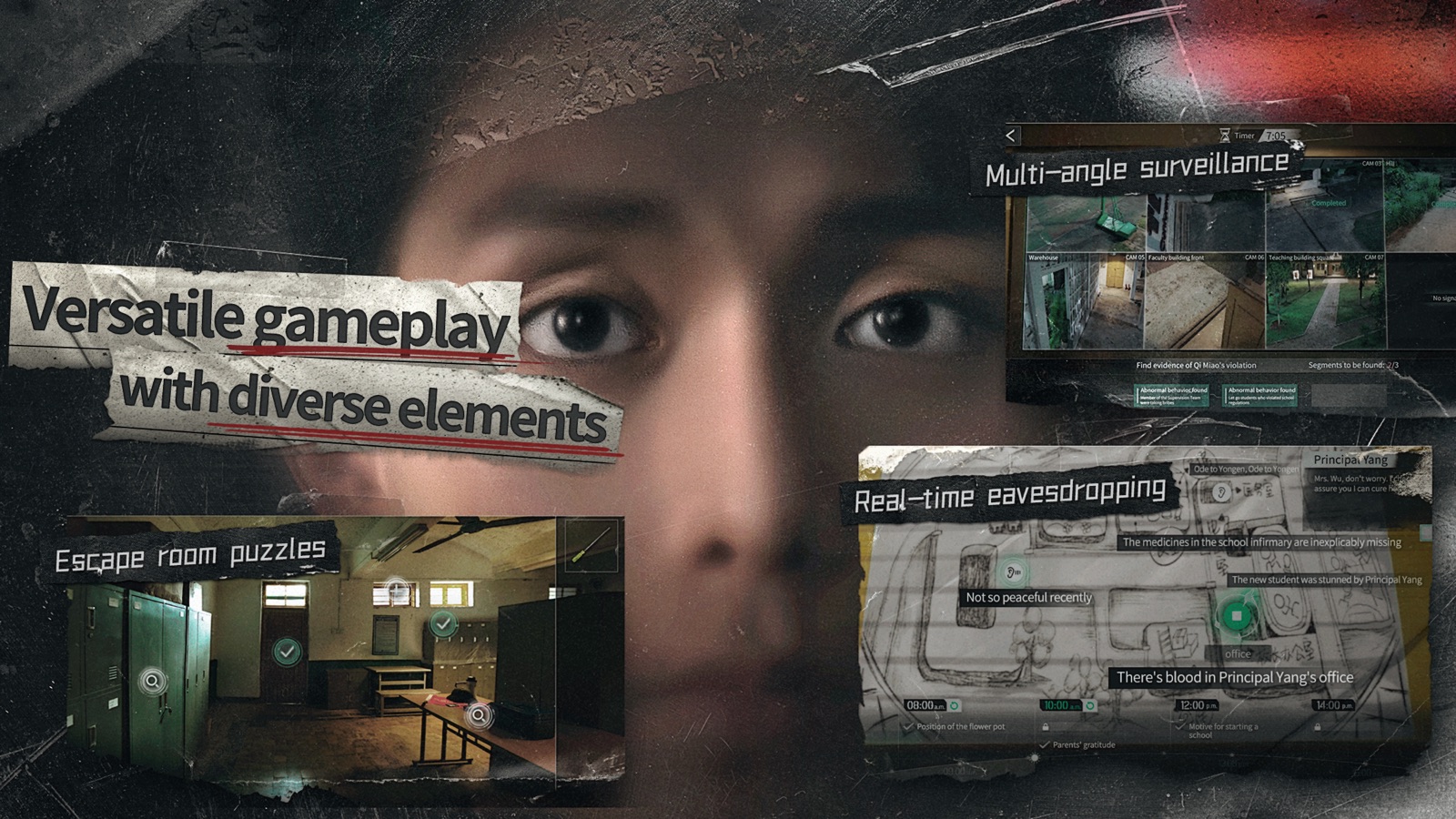 Every choice tests how much of yourself you’ll trade for survival.
The institution’s language
The camp speaks a recognizable dialect: gratitude education, self-criticism, public confession, loyalty rituals. Chinese players clock this rhetorical style instantly, it parodies a real institutional register the way Americans instantly recognize corporate HR-speak or prosperity-gospel cadence. If a speech in the game sounds absurdly stilted to you, assume the absurdity is the point: the original audience is laughing (and shuddering) at something they’ve heard before.
Two smaller signals worth knowing:
- The number 13 in the title refers to the institute’s ward numbering, being “in Room 13” carries the same institutional dread as a cell block designation.
- QTE failure is commentary. The game frequently punishes you for succeeding at obedience and rewards nerve at strange moments. It’s teaching you the institution’s real logic: rules exist to break you, not to be satisfied.
The cinematic lineage
Play it as an heir to One Flew Over the Cuckoo’s Nest and A Clockwork Orange, institutional dramas about the machinery of “correction”, shot with the live-action commitment of the best FMV. The festival world treated it accordingly: a Cannes Next 2023 selection and two NYX Game Awards (Best Narrative, Best Storytelling). The production itself was a gamble few studios would take: a serious social drama, filmed as a branching feature, sold as a game.
For the full story of the studio and the wave it leads, see our feature on how Chinese interactive films conquered Steam.
Practical notes before you start
- On iPhone the game is titled Break 13 Out, chapters 1–5 are free, one purchase unlocks the rest. Store links here.
- Subtitles carry the load for non-Mandarin speakers; play with sound on regardless, the institution’s soundscape is half the horror.
- There are 8 endings. Your first run should be honest: choose what you’d actually do, then explore. Our chapter guide covers the unlock structure and replay system.